
Looking at the scattered screenshots of notes on your phone, looking at the fragmented thoughts in the chat history, looking at the mixed shopping lists and work inspirations in the memos… Do you often feel that these fragmented information are like pearls scattered everywhere, which are obviously full of value, but because there is no suitable place to place them, they are eventually forgotten?
This is actually a hidden obstacle to efficient work. Our brains are not good at remembering complex matters. However, traditional recording methods often lead to complete isolation of information from each other, making it difficult to link it. What you need is not only recording, but also the effectiveness of information. Organized, categorized and always accessible .
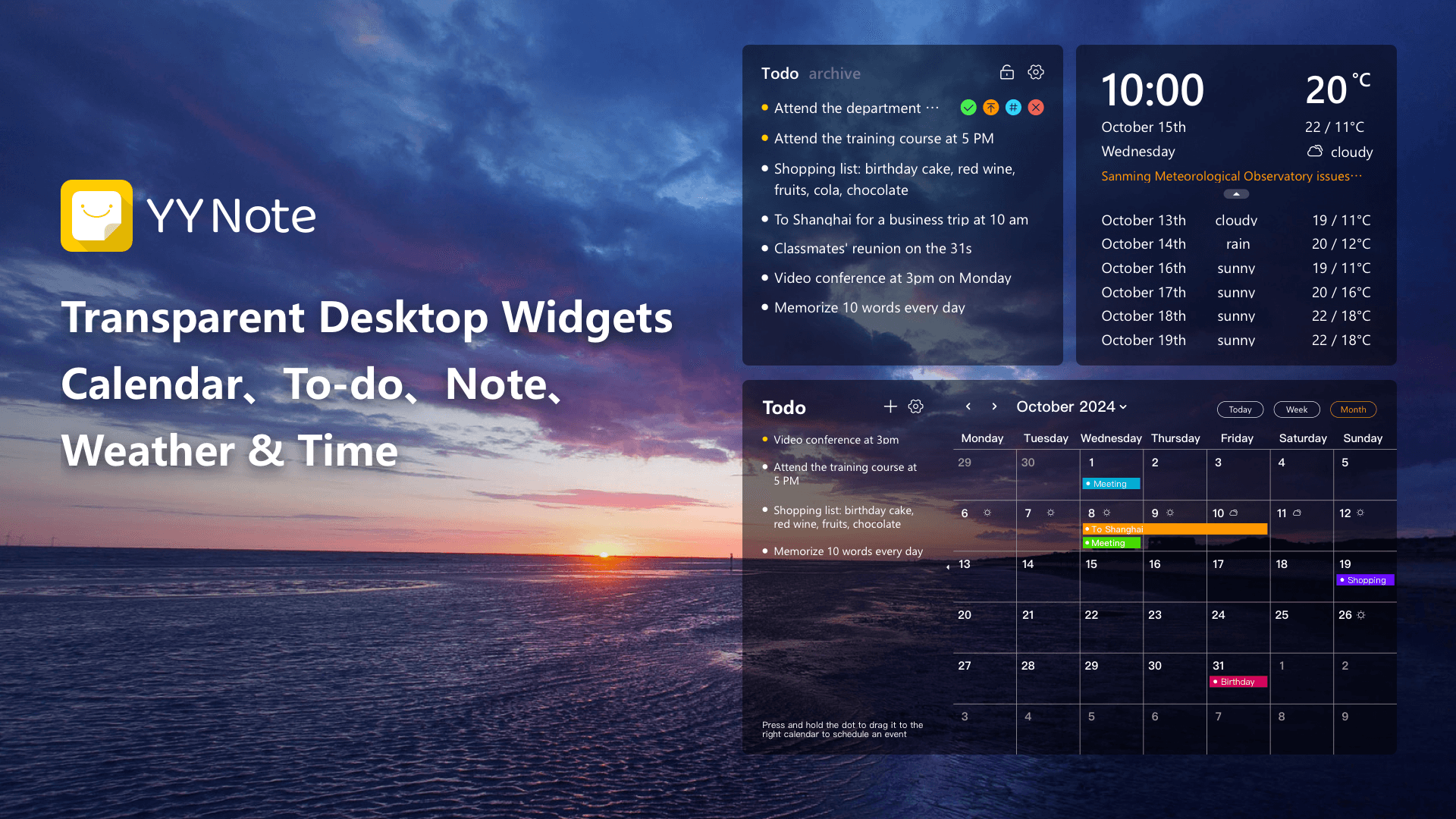
Say goodbye to information fragments and start by labeling each record
Think about it: Whether it's a temporary idea, a business arrangement to be implemented, or key project materials, you can add some keyword tags to it the moment you record it. For example, "#criticalprojects", "#thingsto-do-this-week", "#INSPIRED-INFORMATION". From then on, you don't have to work hard to recall where they are scattered. Just with the help of tags, you can instantly gather all relevant content just like searching for books based on the index in the library.
This ability to transform chaos into order is at the heart of modern productivity tools. Take YYNote as an example. Its labeling function is not just a tool for classification, but also a builder of your personal knowledge system. When you create a new to-do item or note, you can quickly and easily add or select existing tags. This means that the moment the recording is completed, the classification work is also completed at the same time.
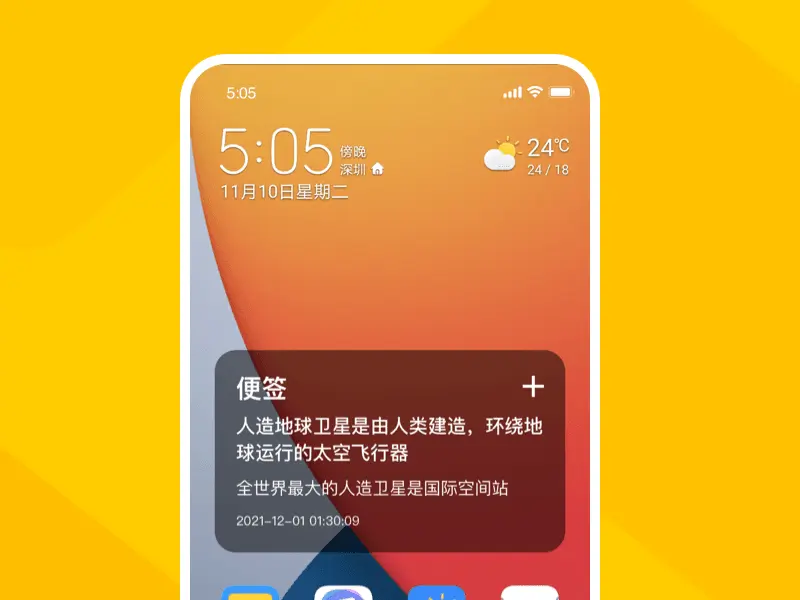
What "labels" bring about is a fundamental change in workflow
Scenario 1: Project review is clear at a glance. When you review all the progress of the "Marketing Plan" project, you can tag the App without having to check each notebook or application one by one. Just filter the "#marketingplan" tag, and all meeting records, to-do items, and inspiration notes related to it will be clearly displayed in time series, and the overall project situation is under control.
Scenario 2: Accurate focus, no distractions. When preparing to write a quarterly report, you can choose to display only the tags named "#reportmaterial" and "#data". The desktop plug-in will instantly eliminate other information that may cause interference, leaving only the content you need most at the moment, helping you quickly enter the flow state.
Scenario 3: Seamlessly connect multiple terminals of information . Use YYNote on your mobile phone to quickly write a shopping list listing the items your family needs as needed, and label the list in the form of "#family"; when you arrive at the computer, the information will be synchronized smoothly under this label with the same display style. You can drag and place it to the special shopping list area on your desk to ensure that no missed purchases occur.
What’s even smarter is that tags can proactively serve you
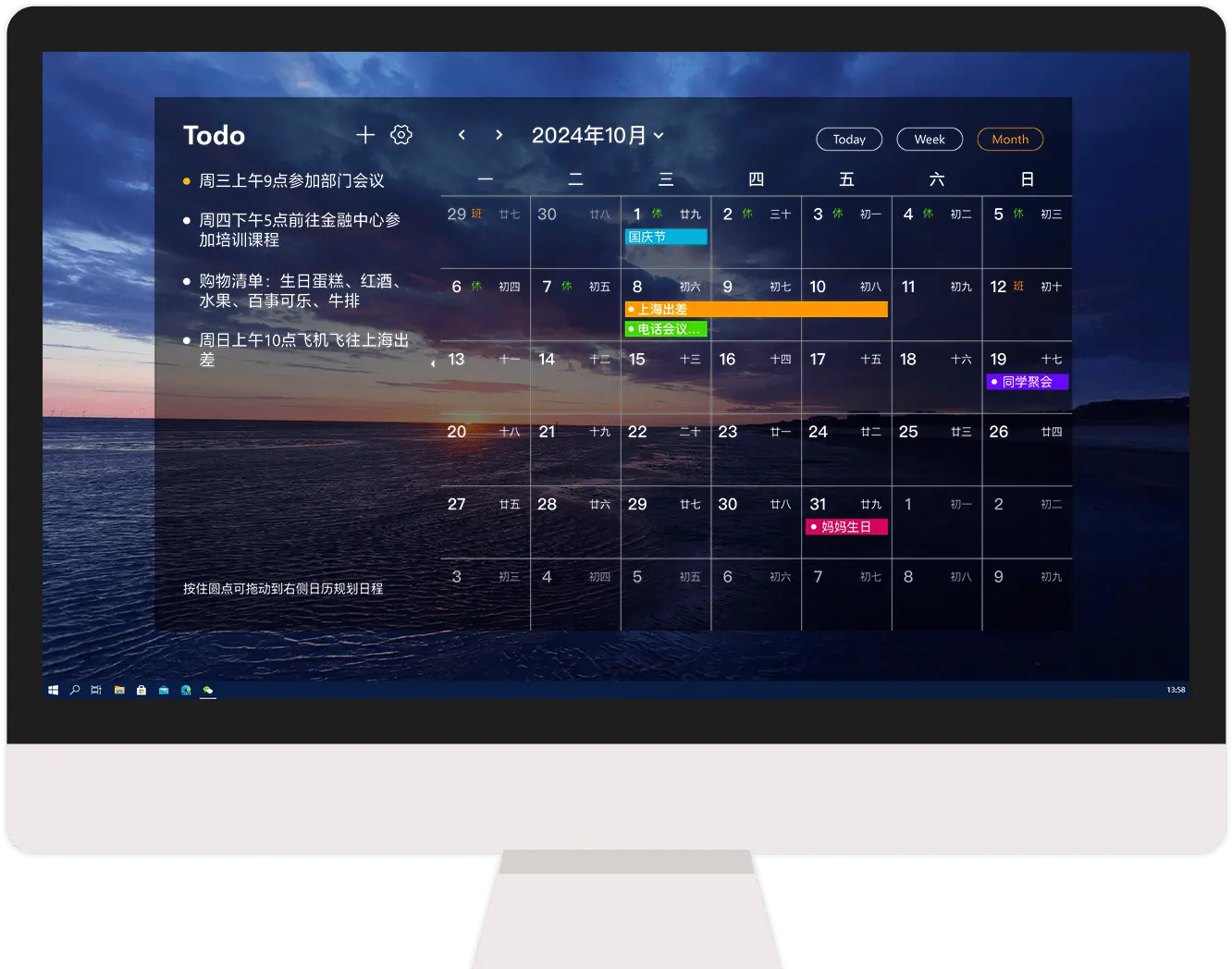
It is possible to set filtering rules for different desktop list plug-ins. For example, let the "Workspace" only display content with the "#WORK" tag, and make the "Reading Notes" area only display the "#Reading" tag. When recording, select the corresponding tag, and the content will automatically be returned to the corresponding desktop area, achieving the effect of automatic sorting of information and visual partitioning.
This seems to build a clear "road system" and unique "functional partitions" for your digital information world. Each piece of information has its own unique "address." You can quickly reach any "information block" you want to go to by marking this "main road", thus completely saying goodbye to chaotic search and rummaging behaviors.
Let the tools adapt to you, rather than you adapting to the tools
Achieving real efficiency improvement comes from minimizing management costs and maximizing information utility. The essence of the tag function is that it uses an extremely simple method, that is, to add a few keywords, to solve the core pain point problem of complex and disordered information. It does not force you to change your recording habits, but at the same moment you record, you are quietly preparing for the future to be able to "find the information you need in one second."
Now, it’s time to upgrade the way you manage information. Try YYNote for free now. Touch a label and experience the pleasure of all fragmented information being easily aggregated. You will find that your desktop becomes more orderly, your thoughts will become clearer, and you will feel the smooth and efficient working state. When you manage information carefully, you will be surprised to find that you can control the rhythm of work and life more leisurely.
Download Now → Unlock Desktop Efficiency Center:

Microsoft Store

Google Play

App Store