
When you turn on your computer every day, do you have to sweep your eyes toward the lower right corner of the screen to see that small amount of time clearly? Ten minutes before an important meeting starts, do you still panic and cut out the full-screen document to confirm? The pace of our work is getting faster and faster, but obtaining the most basic time information often requires an extra click or a turn of sight. This subtle sense of fragmentation is quietly consuming your concentration.
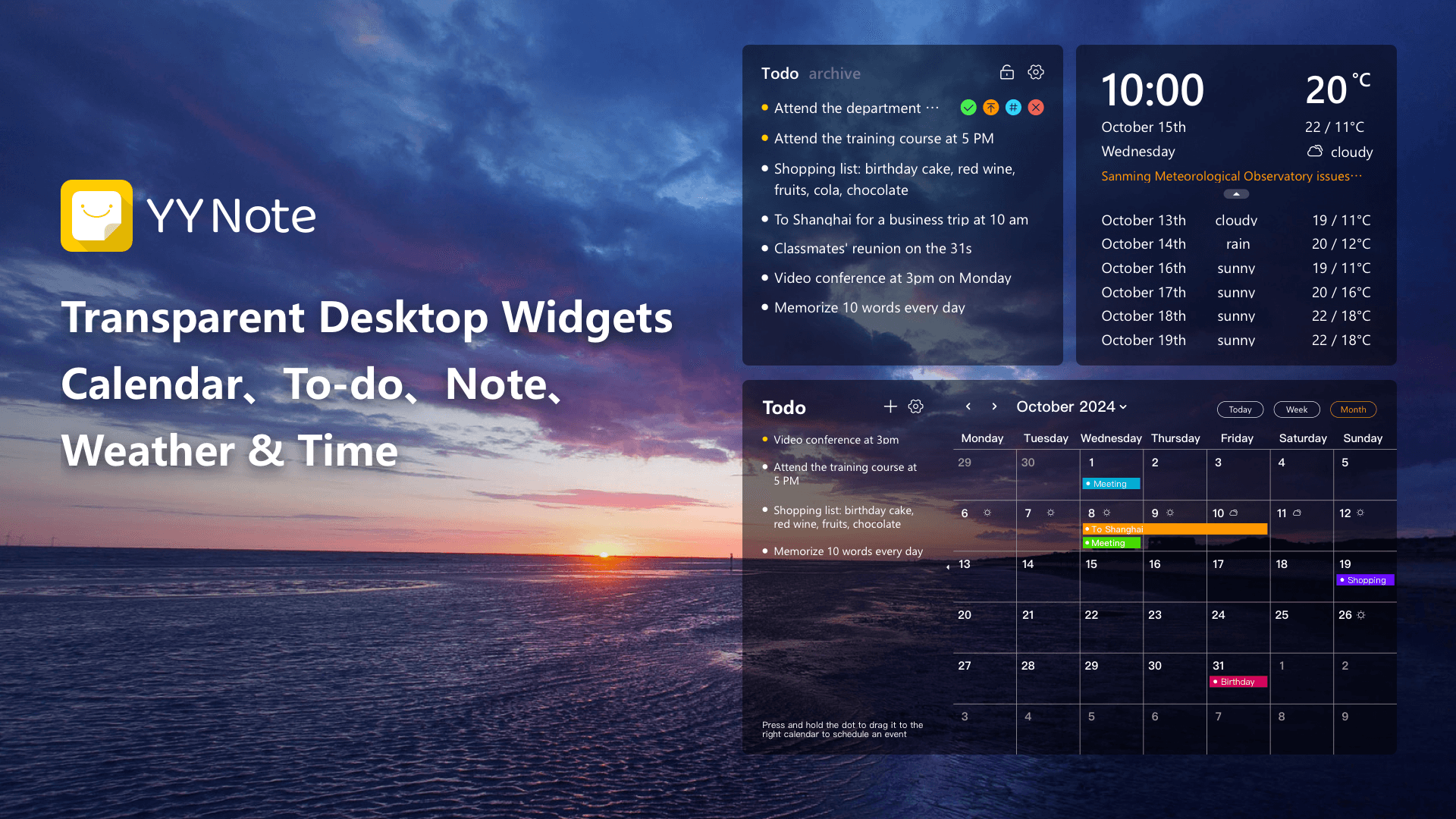
What you need is not a more accurate clock, but one that is always in sight. This is the rhythmic and standard guiding role of placing the computer schedule on the computer desktop. This is also the core value of placing a computer schedule on the computer desktop – it does not provide a certain function, but presents a "zero-cost perception" state. Just imagine, whether you are writing a report, browsing the web, or conducting a video conference, the date, day of the week, and the specific time accurate to seconds are quietly suspended in the space above the desktop wallpaper, running in parallel with the tasks you are currently processing without causing any conflict. You don’t need to interrupt your own thinking process. You can successfully capture the continuous flow and changes of time just through the remaining sight in the corner of your eyes. Such a control feeling experience can promote the change of work rhythm into a natural, good and leisurely state.
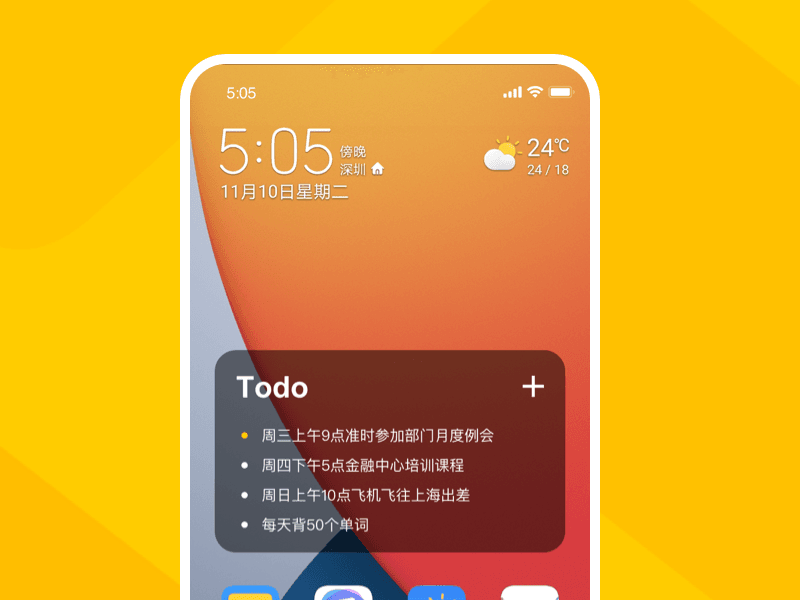
It is true that an excellent desktop time tool cannot be as simple as just displaying numbers. It deserves it. To be deeply integrated into your working environment rather than intrusive means that it must have sufficient "transparency" characteristics. The visual part must have a translucent design, so that it can harmoniously adapt to any style of wallpaper. The interaction must be seamless and do not require you to distract your energy for operation or maintenance. It's like a quiet assistant on your desktop, providing information only when needed. Furthermore, it can also become a visual portal for your time management system, gently linking with to-do items and calendar schedules, so that you can intuitively know the subsequent arrangements when you glance at the time.
The more humane consideration lies in the details. For example, when full attention is required, it can intelligently hide itself when it is close to the edge of the screen, or it can temporarily exit with the help of a simple shortcut key to ensure that the screen space is absolutely pure; when you need to plan your schedule, the calendar and time display on the desktop can cooperate with each other, and even integrate weather information, allowing you to have a more comprehensive prediction of the day's schedule. These designs all revolve around a core. Minimize your operations, maximize the availability of information , and return every ounce of attention saved to truly important work.
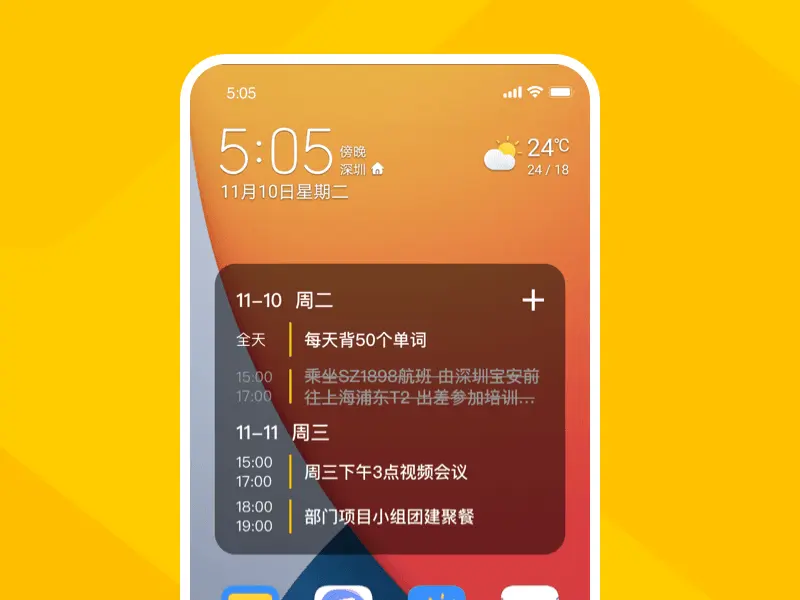
Returning time to the center of the desktop actually creates a more efficient and focused information environment for you. It removes subtle obstacles when looking for time, so that questions such as "What time is it now?" Control the progress of work more accurately; and thus obtain a more relaxed and convenient experience. This is not just placing a plug-in computer schedule on the computer desktop, but adopting a more orderly and focused work concept.
Just as we pay attention to the little changes in life, whether it is the persistence of the relationship between family members or the new developments in the development of the city, such as that one. The subway networks in new first-tier cities have finally been connected into a loop , bringing a more convenient travel experience to citizens. What we are pursuing is to gain a better quality of life with less effort and manage your time. The same is true. Immediately try to place an elegant timetable on your desktop to silently optimize your workflow. You will find that controlling time can be so easy and invisible.
Download Now → Unlock Desktop Efficiency Center:

Microsoft Store

Google Play

App Store