
Have you ever had the experience of turning on your computer early in the morning and looking at the messy notes and to-do lists, thinking that the day has already been thrown into chaos before it officially starts? Or maybe you have been concentrating on work all day, only to realize that you have forgotten important meetings or deadlines when you are about to get off work. Such a difficult situation of being busy but inefficient, paying a lot but receiving little, is causing more and more professionals to be troubled.
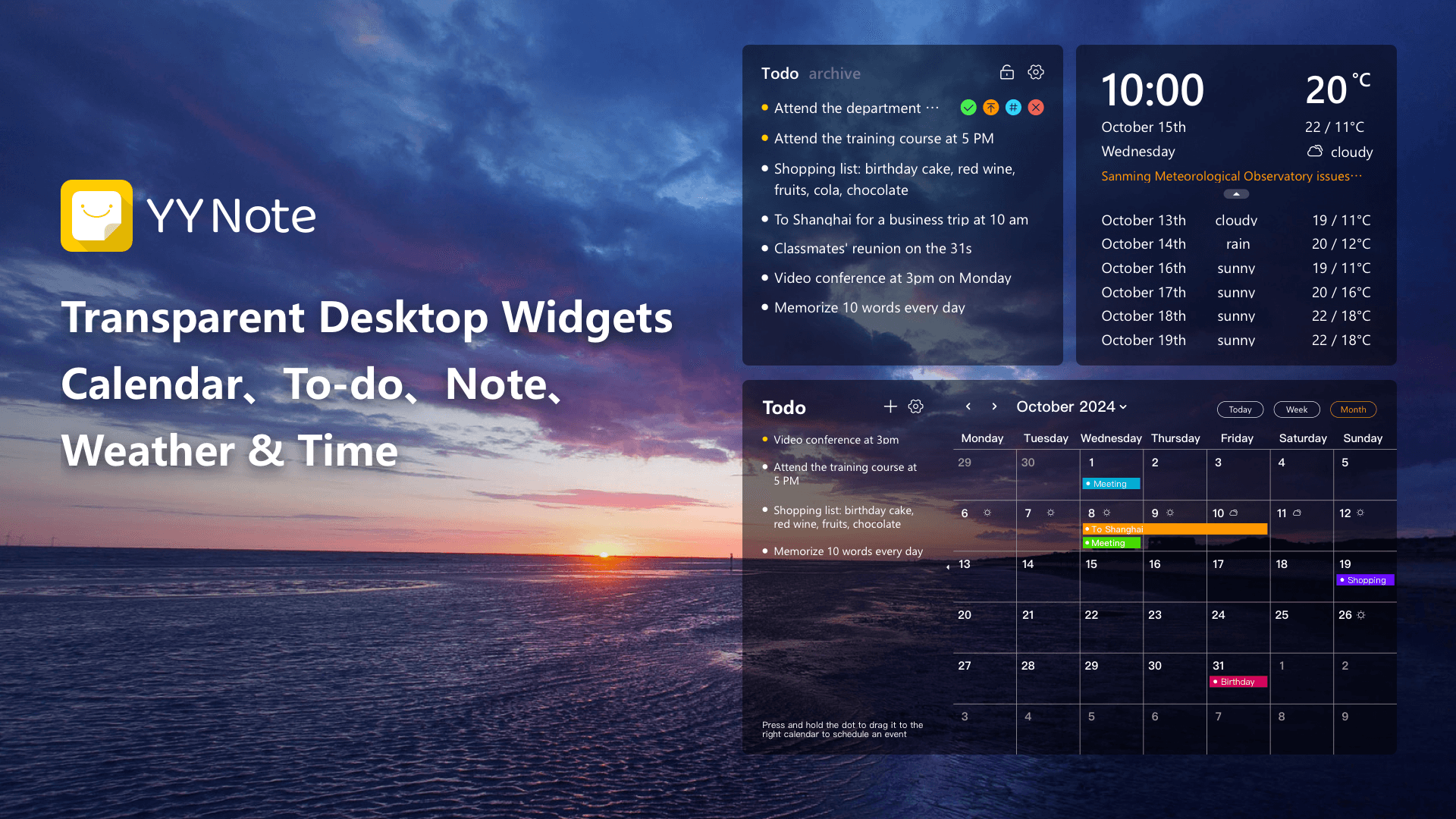
It is precisely because of the traditional task management method that to-do items are hidden behind layers of software windows, which requires us to deliberately "find" and "remember" them. A truly productive work philosophy, however, is exactly the opposite: it should be. Clear at a Glance, No Memory Needed, Integrated into the Scene Instead of spending energy to remember the tasks, it is better to have the tasks actively presented in your field of vision. This is the fundamental change that the desktop to-do list can bring. ,.
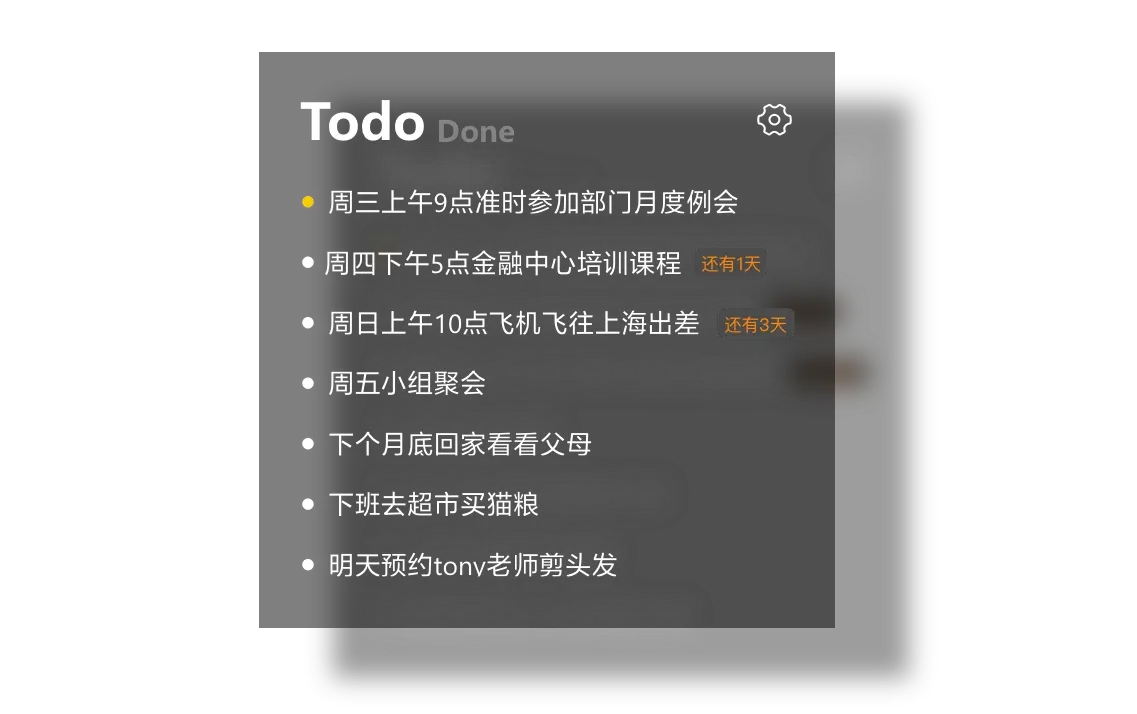
Just imagine, when you turn on your computer, all the key points of the day are clearly displayed on the desktop wallpaper. This is not a separate piece of software that needs to be turned on; The completely transparent smart board embedded in the desktop is like your second-layer desktop. You can see it when you turn on the computer. All tasks are arranged according to priority. Completed ones can be crossed out directly, and new ones can be added at any time. From now on, your attention only needs to be focused on execution, rather than "recalling" and "rummaging". The core value of this way of working is to help you achieve it. "Minimum memory load, maximum execution efficiency" .
The benefits of putting a list on your desk go far beyond just being visible. The first thing is that it happened. Stress-free sense of overall control You will never fall into anxiety due to worrying about forgetting, because everything is fully presented in front of you. Secondly, it has the ability to. Naturally guide you to prioritize which task is always at the top, and which one is the key point that should be overcome at the moment. More importantly, after each task is completed, the sense of accomplishment brought by lightly checking it will become a positive feedback that prompts you to enter a flow state. This shows that every minute you invest can be more directly transformed into visible work results, thereby achieving better performance and a more relaxed mentality.
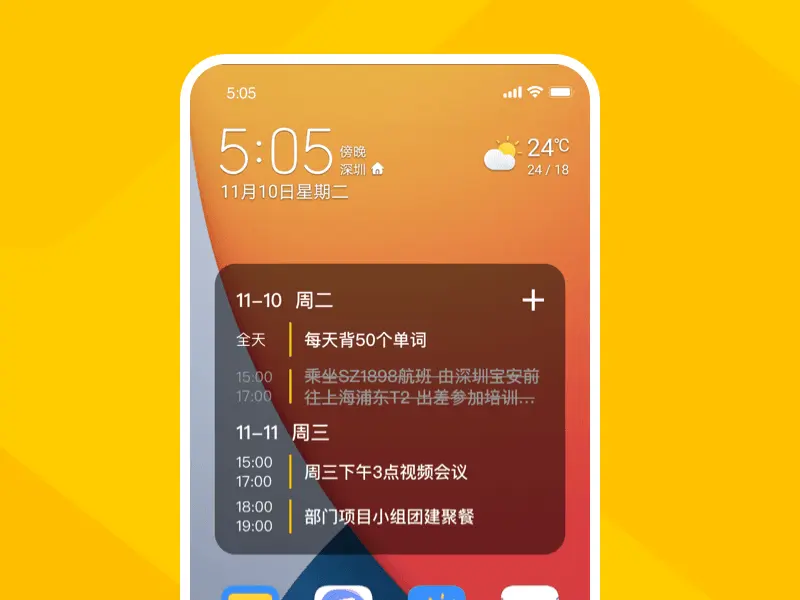
Modern people's workflow is increasingly dependent on digital tools. Efficiency is no longer just a personal skill, but also a carefully designed experience. Heytea chose to suspend expansion and return to products and experience itself, while NVIDIA relied on innovative technology tracking chips to deal with complex environments. The cores of both are pointing to the same point: focusing on core values in the hustle and bustle, solving problems with smarter methods instead of blindly consuming resources. The same is true for managing to-do items. What is needed is not more and more complicated tools, but more direct and elegant solutions.
If you're tired of the cycle of forgetting and remediating, and you're longing for a clearer, more autonomous pace of work, it's time to make a change. An efficient start-up phase can often be achieved with just a simple decision. It is time to put it into practice and take action immediately. Try it now for free and turn every space on your desktop into a driving force for you to move forward efficiently. You will truly experience the ease and efficiency of adding to-do items on the desktop when they change from a "list to be managed" to a "natural workflow".
Download Now → Unlock Desktop Efficiency Center:

Microsoft Store

Google Play

App Store