
Where should the desktop notepad be placed so that it can be easily browsed without hindering work? Once your thoughts are interrupted by complicated tasks filling the screen, and once important inspiration disappears in an instant because you have no time to record it, a well-designed desktop notepad tool becomes the key to saving results.
Say goodbye to clutter: why you need a real desktop sticky note
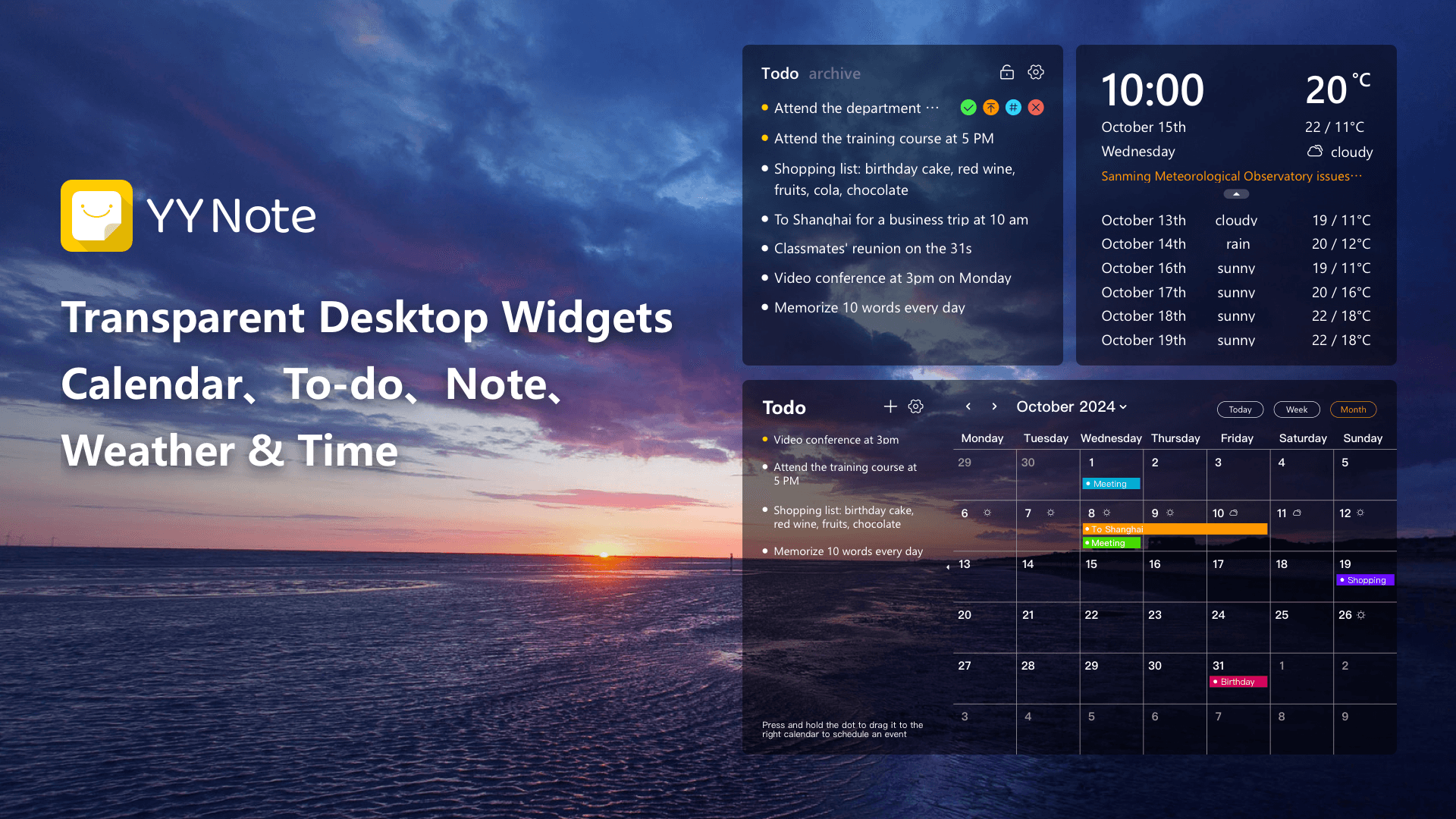
Many people have the habit of randomly opening a text document on their computer to record things, but such files are often obscured by layers of windows. "Invisible" directly leads to "unrememberable". This is precisely the crux of the traditional recording form. The situation presented is that the record and the corresponding reminder are in a state of separation from each other, and what you actually need is such a one, which can. Permanently on the desktop and as an assistant at a glance , tools such as "7 Sticky Notes" have clear ideas to present in this regard. It will "stick" sticky notes directly on the desktop, simulating the real sticky note experience, and supports the construction of multiple sticky notes of different colors to classify information, making to-do items and temporary inspirations visible when starting up, without the need to switch back and forth through multiple software windows.
More than just recording: the core capabilities of modern desktop notepads
The value of a desktop notepad with excellent characteristics is not limited to providing a window for typing. It should be a center that integrates recording functions, organizing functions, and reminder functions. It is relatively lightweight and can improve efficiency.
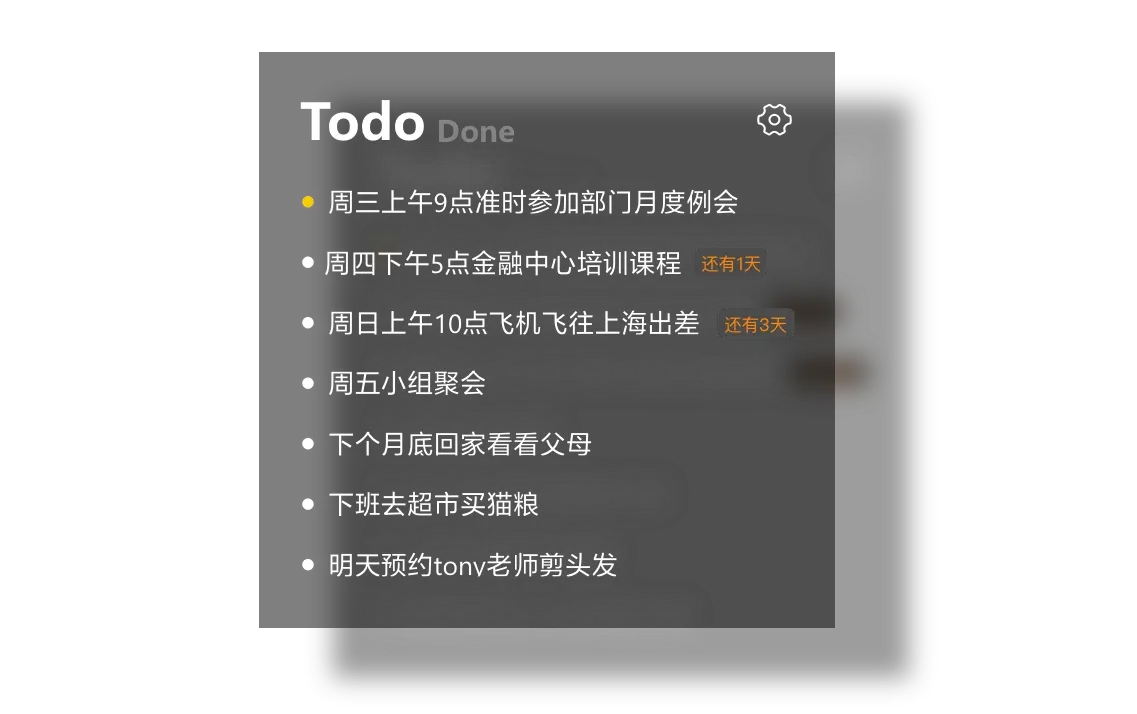
The simple text of smart reminders and task management records is rendered in a static state. Tools with advanced functions can identify the time information that exists in your notes, and can also be linked with services provided by the calendar or reminders owned by the system. For example, if you write down something like "Project meeting at 3 pm tomorrow", then it can automatically set a reminder to ensure that important schedules will not be missed.
Rich content carries the content to be recorded and should not be limited to text. Whether it is inserting screenshots of meeting points, pasting network links of critical significance, or using a 🚀 emoticon to mark high-priority tasks, these rich media supports can make the amount of information contained in notes fuller and easier to understand when reviewing.
Flexible classification and retrieval As the number of notes continues to increase, new problems have arisen in management. Setting notes or tags of different colors for different projects or fields, such as "work", "study", "shopping", etc., can quickly restore the desktop to an orderly state. Some note-taking software also supports synchronizing to-do items in notes to a separate to-do list to achieve unified and orderly management.
Integrating into the future: When recording meets smart technology
The development of recording tools is closely integrated with cutting-edge technology. For example, the possibility of brain-computer interfaces to "control with thoughts" devices in the future has been revealed due to technological progress. Although we are still far from being able to write notes directly by thinking, voice input and AI intelligent organization have become a reality. Some note-taking applications can achieve "rapid conversion of speech into text in a short period of time" and automatically assist you in extracting key information and generating task lists after recording, which greatly reduces the loss of information in the process of transferring information from the brain to standard recording. This shows that recording itself is becoming increasingly easier and smarter.
How to set up your efficient desktop notepad
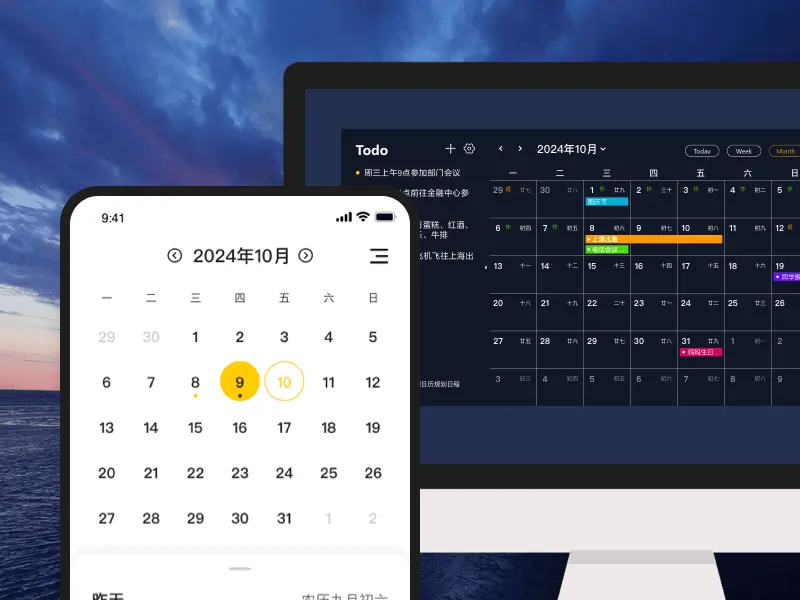
To set up an efficient desktop notepad environment, you can start from the following points:
1. Choose the appropriate tool according to your needs. If you only need basic text reminders, the sticky note tool provided by the system or free software like "7 Sticky Notes" is enough. If you need powerful editing, mind mapping or cross-platform synchronization functions, you can consider more professional Markdown note-taking software such as "Yank Note".
2. Establish classification rules. From the beginning, set corresponding colors or labeling rules for various types of notes based on different purposes, and follow them consistently. For example, use yellow to record temporary inspiration, use red to mark urgent matters, and use green to manage shopping lists.
3. Make good use of shortcut keys and cloud synchronization. By learning and using shortcut keys that can create new notes and hide or display all notes, this can greatly increase the speed of operations. If you need to work on multiple devices, you must turn on the cloud synchronization function so that inspiration can continue anytime and anywhere.
An effective and efficient desktop notepad should not be a "tool" that requires you to find and click on it, but should be like a quiet companion who knows your work habits. It quietly sits in a corner of the desktop, giving you clear information when you need it; when you are concentrating, it hides where your desktop notepad is set up without causing any interference. Through precise settings, Notepad can evolve from a simple recording window into the nerve center of your personal workflow. With minimal management investment, you can gain a great sense of control over time and tasks. Now, take a look at your desktop again and start building your own efficient note-taking system.
Download Now → Unlock Desktop Efficiency Center:

Microsoft Store

Google Play

App Store