
After a hard day’s work, do you always feel like your mind is filled with “what to do later” and “what you seem to have forgotten”? The piles of sticky notes on your desk, like the unrelated memo and calendar apps on your phone, are all quietly consuming your attention. Such a management model that requires constant switching and relies on manually piecing together relevant information can easily cause you to miss important things in the chaos.
After all, what you need is not more tools, but something that can integrate all your to-dos, schedules, and inspirations in a way that makes it clear at a glance. This thing is called a "command center."
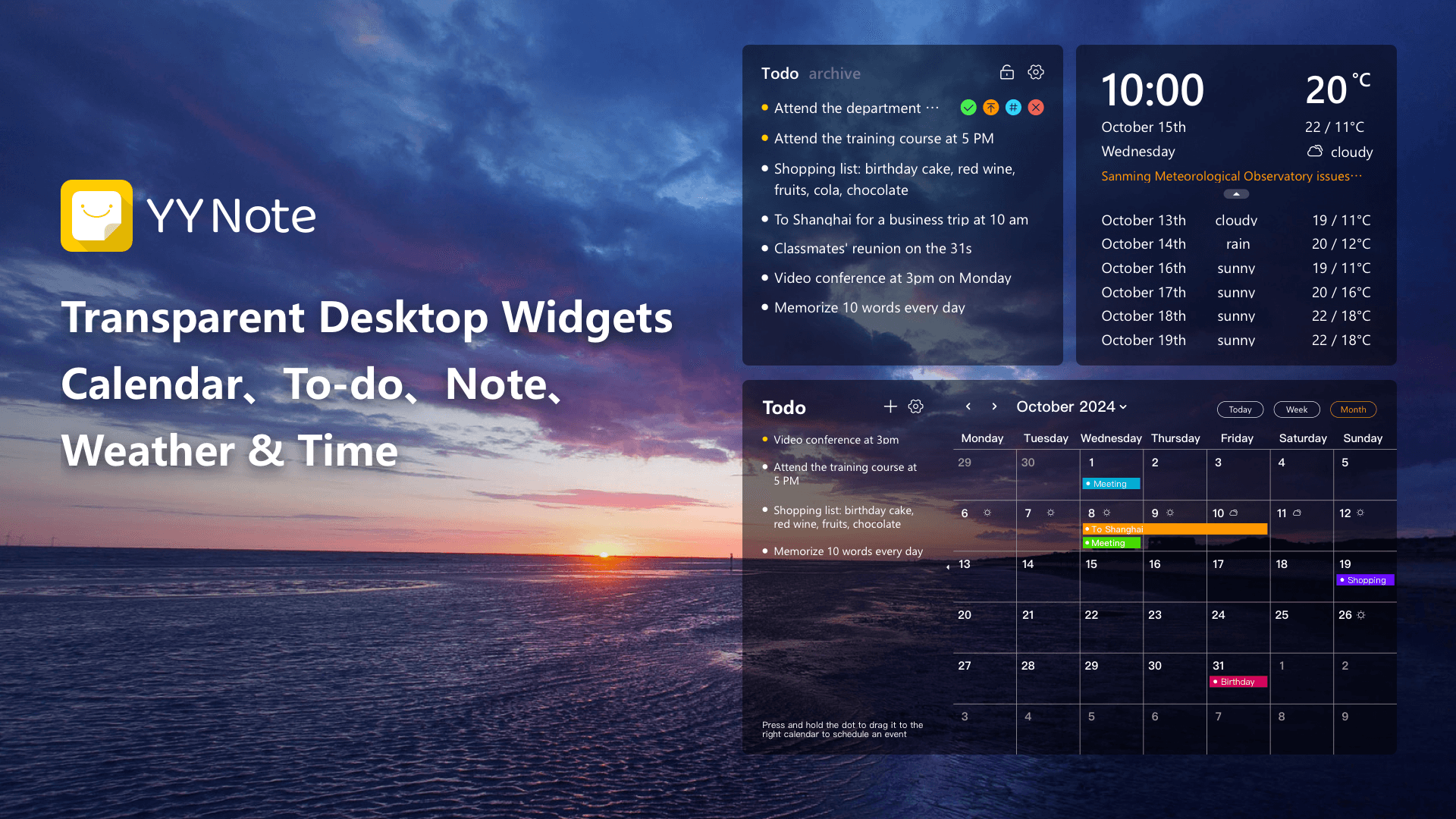
Say goodbye to fragmentation and regain a sense of control with "panoramic view"
Just imagine, when you turn on your computer every day, the first thing that comes into view is not the messy file icons, but a refreshing desktop, on which all the key contents of your day are clearly placed. Whether it's a meeting that's about to start, a report waiting to be submitted, or inspiration that emerges accidentally, they are all neatly arranged in one place, and the overall situation and details are under your control. Such a clear vision can instantly relieve the anxiety caused by complexity and chaos, allowing you to quickly focus on the most important things at the moment.
Such a feeling of control is as if an "information cockpit" that can achieve efficient operation has been carefully built for the originally busy and clueless life, similar to operating an aircraft cockpit. The key point is to use clear and easy-to-understand visual integration methods to carefully construct a planning scene without any obstacles and friction for you. This allows you to completely get rid of the state of constantly running back and forth between various different applications and being exhausted. Then you can devote the saved energy to the work itself without reservation.
Planning does not need to be interrupted, making management as natural as breathing
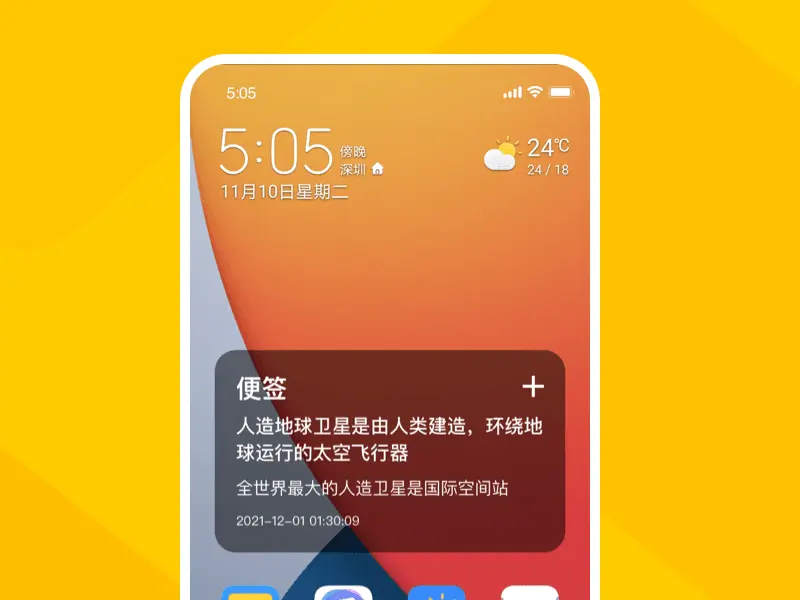
The most efficient systems often make you unaware that they exist. When an idea suddenly pops up during a meeting, you can jot it down on a sticky note on your desk. When you receive an email meeting invitation, you can generate the calendar schedule for the item with a simple drag and drop. All operations are completed on the desktop, without interrupting your ongoing workflow, you know. You know that when managing the schedule itself is no longer an "extra task", you will gain the smoothest flow experience.
This design not only improves efficiency, but also protects your energy. Just like in the winter solstice , a time of transition between yin and yang and the need to "hide the spirit and rest", just as it is crucial for the body to reduce complicated thoughts, an excellent time management tool can also help you block the interference caused by trivial information, thereby making the mind more focused and stable.
Active focus and reminder not only record but also promote

An excellent to-do management system is not just a passive recording container, it can also proactively manage your attention. You can set classification labels for different items, such as "Today's Core" and "Waiting for Feedback", so that the system can give you key and important reminders at the right time. Completed items will be automatically archived to ensure that your eyes can always focus on the items that need to be advanced, instead of wasting on the process of memorizing and searching, so that you can focus on the key tasks to be done more efficiently.
It is like an old friend with profound experience, who often reminds you of key points at the right time, so considerate and harmonious. On Chow Yun-fat 's day, Mr. Chow held a banquet and invited nearly a hundred old colleagues. They have known Mr. Chow for more than 35 years and all came from TVB. The warm to-do list displayed by such actions is like a feeling of nostalgia, all derived from the extremely meticulous and meticulous care of the "people" themselves. Tools have value, and their value is ultimately reflected in how they can serve people better.
The choice of such a desktop to-do management method is actually the choice of a clearer and more calm work philosophy. With the help of seemingly simple integration, it saves you the inner loss of worrying about "where things are" and "what to do next". You will truly experience that when the external world appears in an orderly state, inner focus and calmness will naturally emerge.
At this moment, you might as well start organizing your digital desktop immediately and take an efficient starting step. See with your own eyes how it transforms your desktop from a messy information storage place into a clear and efficient command center, making every step you take more steady and calm.
Download Now → Unlock Desktop Efficiency Center:

Microsoft Store

Google Play

App Store