
After turning on the computer every day, you look at the project document on the desktop that has been built but never started to be written, or you suddenly remember the file you agreed to send to your colleagues yesterday but forgot to deal with it. Do you also feel a very familiar anxiety? The tasks are clearly in mind and written on paper, but they are always forgotten when switching windows or immersing themselves in work, and they only become confused when the deadline is approaching. This kind. The "invisible loss" of to-do items is quietly consuming your focus and work credibility.
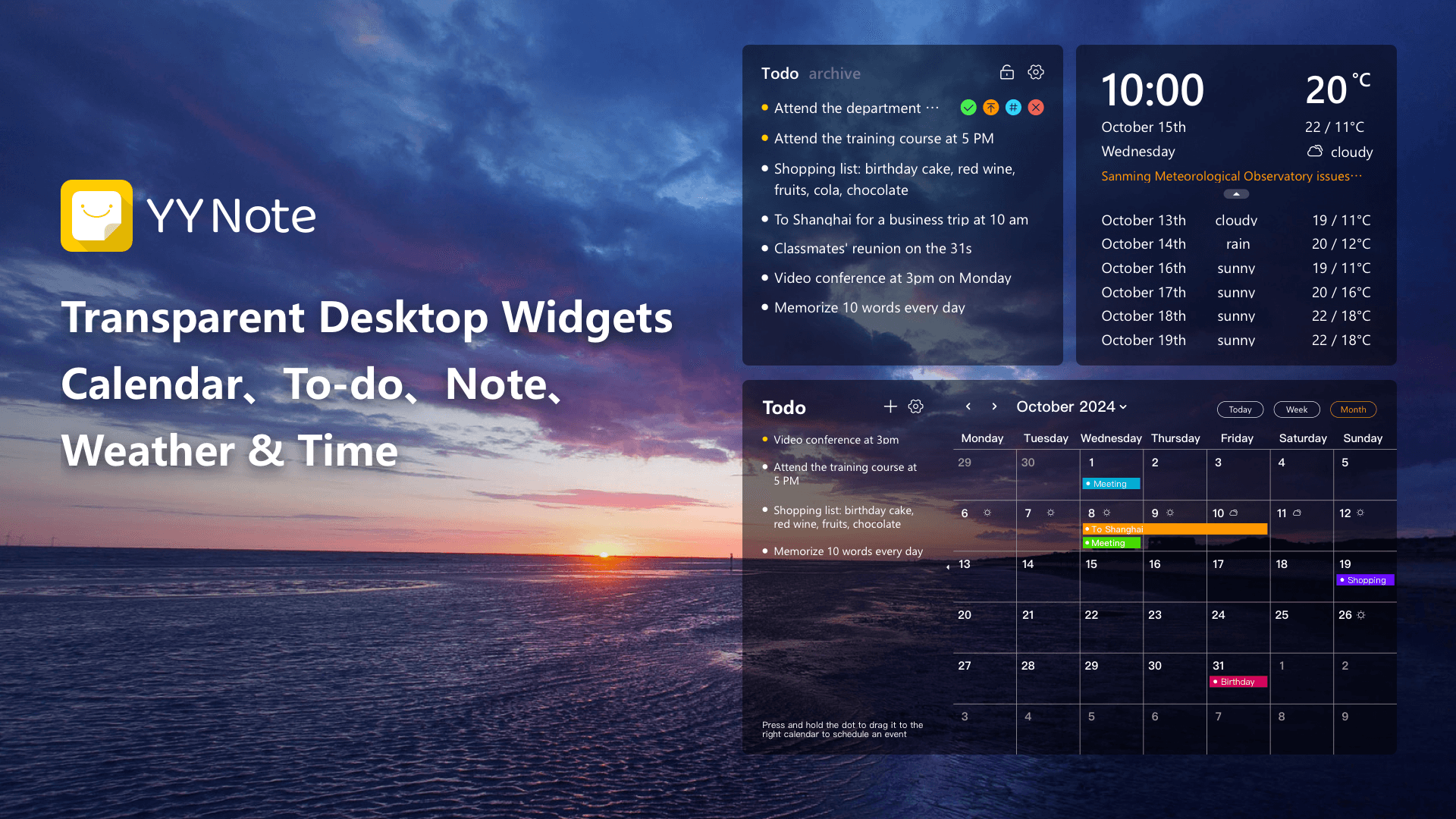
What if you had an assistant who could keep your most critical tasks clearly in front of you? Imagine that all your to-do items are no longer hidden behind sticky notes or cluttered browser tabs, but displayed directly on your desktop in the form of a concise and elegant list. Every time you look up, it is there silently paying attention to you, helping you control the overall situation and easily cross out completed tasks. This is exactly what an efficient workflow is all about: keeping key information in visual focus and managing tasks with minimal attention costs .
Say goodbye to the messy and unorganized sticky notes and mobile phone reminders that are easily forgotten and ignored. There is a very well-designed desktop to-do tool that can bring you three different changes:
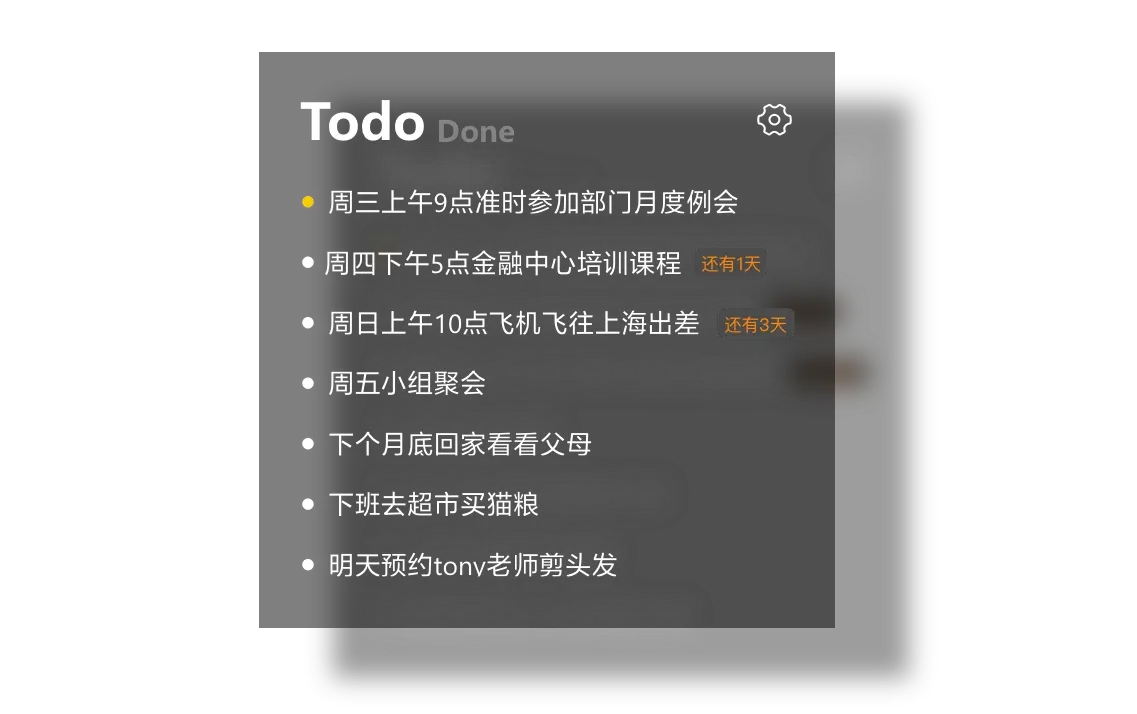
It builds a zero-burden attention anchor , which is different from the kind of applications that you have to actively click to open. It has a translucent list that is always "nest" on the desktop. It allows you to scan everything with just a slight glance without stopping the work at hand. Once you have a clear grasp of the overall situation of the task, you can create many lists of different categories based on projects or priorities to clearly divide "this week's report", "emergency processing", and "daily operation and maintenance", and your thoughts will suddenly become very clear.
It provides a tool with excellent characteristics for intelligent progress promotion , and has the ability to understand your natural language. Once you enter "Complete the first draft tomorrow before three o'clock tomorrow", it can use its advantages in automatic recognition and setting accuracy to complete the setting of reminders, targeting tasks with repetitive characteristics such as weekly meetings and monthly reports. , as long as you set the operation criteria once, the system will automatically generate a new to-do item according to the specified time, so that you can completely say goodbye to the problem of forgetting. Whenever a task is completed, the action of gently clicking and ticking will trigger the immediacy of achievement, which will be transformed into a small force to push you to continue moving forward.
More importantly, it can help you deal with complex projects easily. When faced with a big task such as "complete quarterly market analysis", people's natural tendency is to procrastinate. The reason is that it seems like an insurmountable mountain. However, you can use tools to break it down into structured steps such as "collecting data", "making charts", and "writing conclusions". By listing these subtasks on the desktop list one by one, the huge pressure is transformed into projects that can be executed and easily completed, and work ideas and confidence are also established.
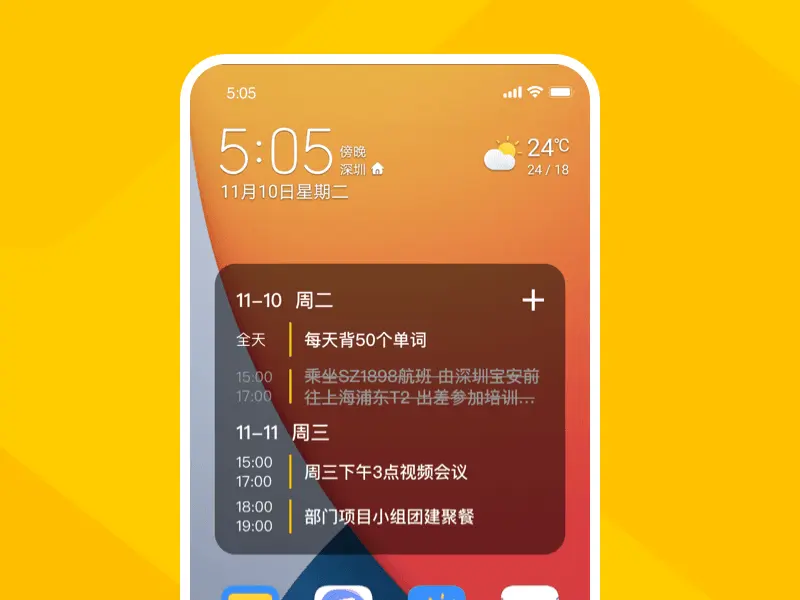
This is similar to the experience shared by many friends on the Internet recently. Whether it is organizing knowledge or studying for exams, first divide the big goal into small tasks that can be tracked every day, and then make the progress clear. Work to-do recording tools are one of the most effective ways to overcome procrastination and gain a sense of control. Your desktop to-do list is a private command center that implements this concept.
All these designs point to one core: freeing up your mental space. When tasks are hosted by a reliable system, you no longer need to expend brainpower on memorizing and recalling them. You'll be able to focus more on your creative work, multitask with greater composure, and enjoy the tangible satisfaction of clearing your list at the end of each day.
Work should be clearer and simpler. It starts with an always-on, always-clear desktop list. Redefine the relationship between you and the tasks. You will find that properly managing to-do items is not just about managing time. If it can be rearranged, it is also about managing your own attention and work status. Take action now to shape your efficient desktop and face a more organized and calm tomorrow.
Download Now → Unlock Desktop Efficiency Center:

Microsoft Store

Google Play

App Store