
On the one hand, there is a backlog of work on the desk, the to-do list is trivial and complicated, and inspiration is fleeting. On the other hand, the first snow falling outside the window is full of romance, and the cold weather suddenly hits on the weekend. This is probably a true portrayal of the situation for many people this weekend – when students from Tsinghua University build a "snowman jungle" on a snowy night, giving youth a light medal time; when Harbin Street lights up the heater to provide a warm resting corner for guests who come to play; you may be sitting in front of the computer, feeling vaguely anxious about how to coordinate the complicated tasks at hand and not let any important arrangement be missed.
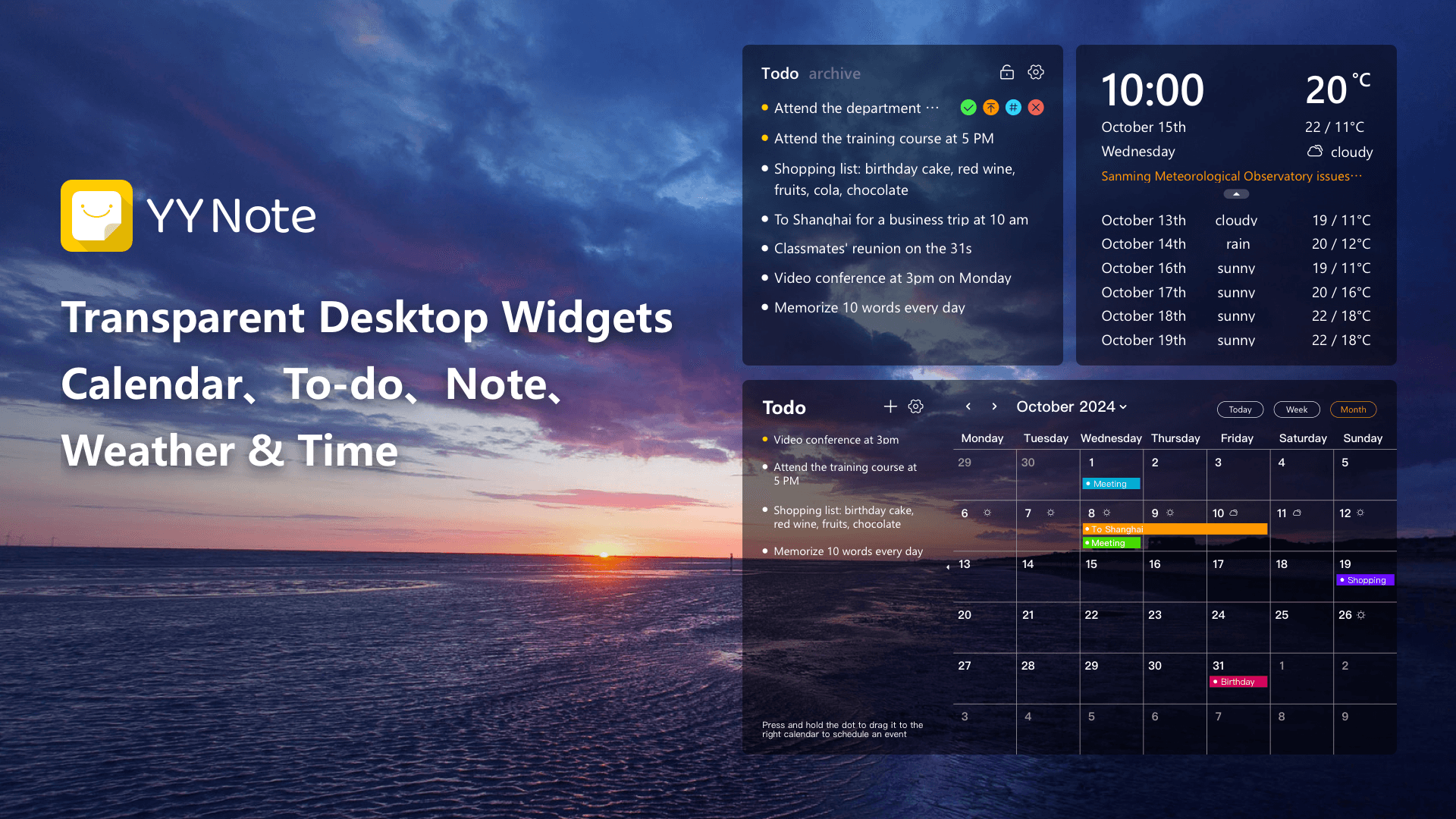
This sense of division comes precisely from the fact that our brains are not good at processing "poetry and distance" and "trivial matters at our feet" at the same time. We hope to control our work and life in an elegant and calm manner, just like appreciating the snow scene, instead of being drowned in all kinds of notes, calendar reminders and unread emails. What you need is not just another tool hidden in the menu bar, but a "second brain" that is at your eye level and ready at any time.
That's the purpose of a desktop to-do list, which is to liberate your tasks from abstract memories and cluttered lists. Lay it out directly on your most familiar battlefield – your computer desktop . Imagine that once you turn on the machine without switching windows or clicking on any application, all your key tasks for the week and day will be clearly and quietly displayed on the wallpaper. Through this, you can immediately know what you should do now and what the next steps are. The feeling of control can eliminate the anxiety caused by unclear tasks.
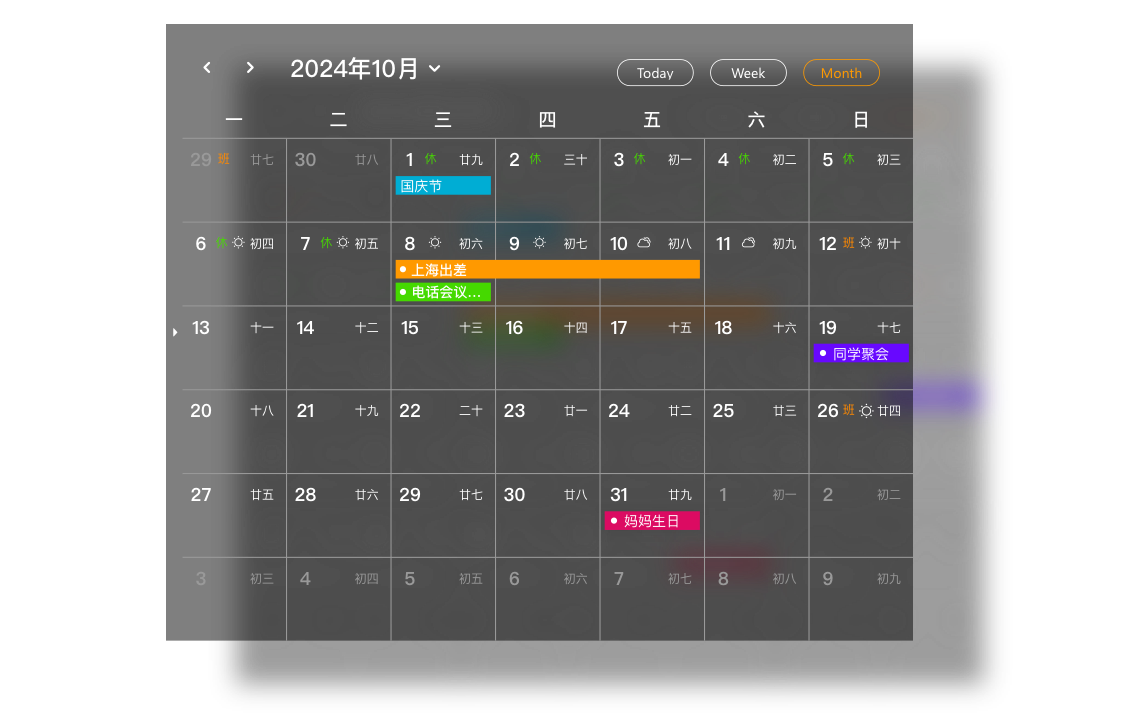
A desktop to-do list with efficient features is more than just posting an electronic post-it note. It should have the ability to assist you.
You can see the priorities at a glance and adjust the order of tasks with a simple drag and drop method; mark key items with stars or colors to make the key points stand out.
Seamlessly connect planning and execution to conceive an idea, which can be recorded in a second and sorted into the appropriate categories. Once an item is achieved, it can be checked off effortlessly and the list shrinks.
Adapt to your rhythm instead of changing it. It is smart enough to set up flexible repetitive tasks, such as weekly meetings and monthly repayments. It also has simple enough features that can be hidden with one-click operation. When you need to focus, or when you want to show the screen to others, you can achieve an invisible state instantly.
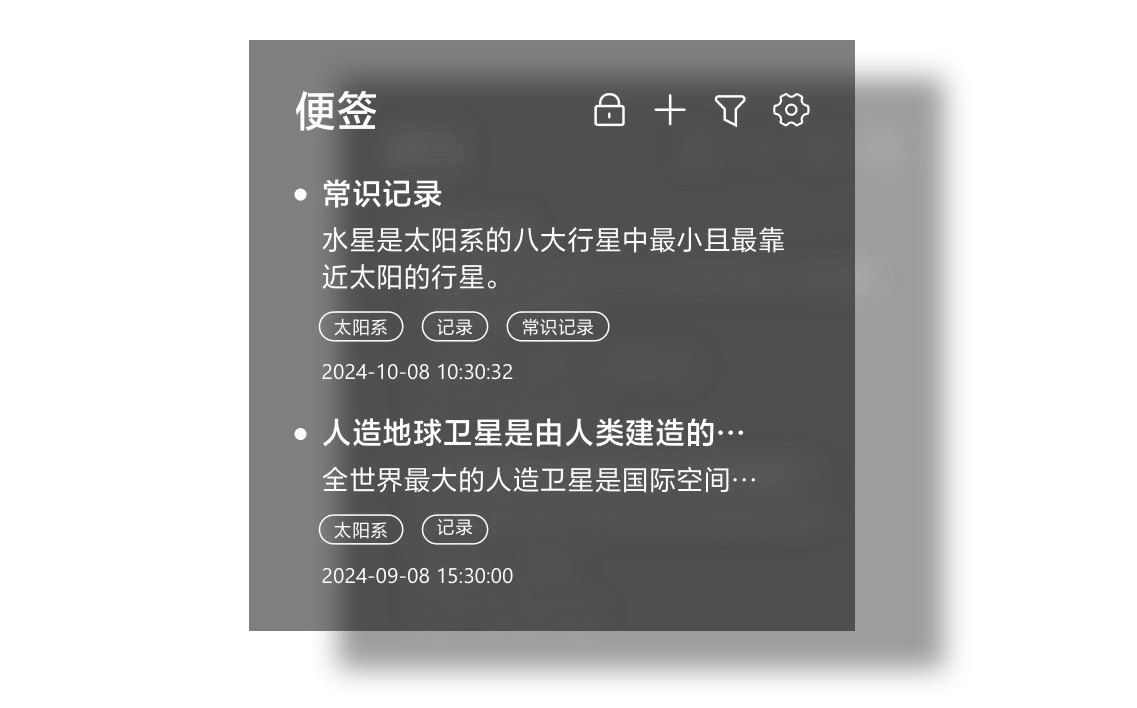
If your to-do list becomes so intuitive and actionable, changes will happen quietly. You will find that you no longer need to think over and over again "What have I not done?" and the saved mental bandwidth can be used to handle more complex work computer global memo apps, or just look out the window with peace of mind and appreciate the snowy scenery that you can finally calmly savor. You start to move forward with everything in a calmer, more organized way. Work is no longer a torrent that you passively deal with, but a stream that you can proactively plan and sort out.
This kind of calmness is the most generous reward that efficiency tools can give. It does not make you continue to be busy, but helps you to be busy in a clear and orderly manner, and ultimately regains your time and peace of mind.
Today, it only takes a minute to create such a desktop program core for yourself. Tap the link given below to get this desktop to-do note tool for free, turning it into the quietest and most capable companion on your desktop. Starting from this weekend, whether you are facing a "significant drop" in temperature or a "sharp increase" in workload, you will be able to handle it steadily.
Download Now → Unlock Desktop Efficiency Center:

Microsoft Store

Google Play

App Store