
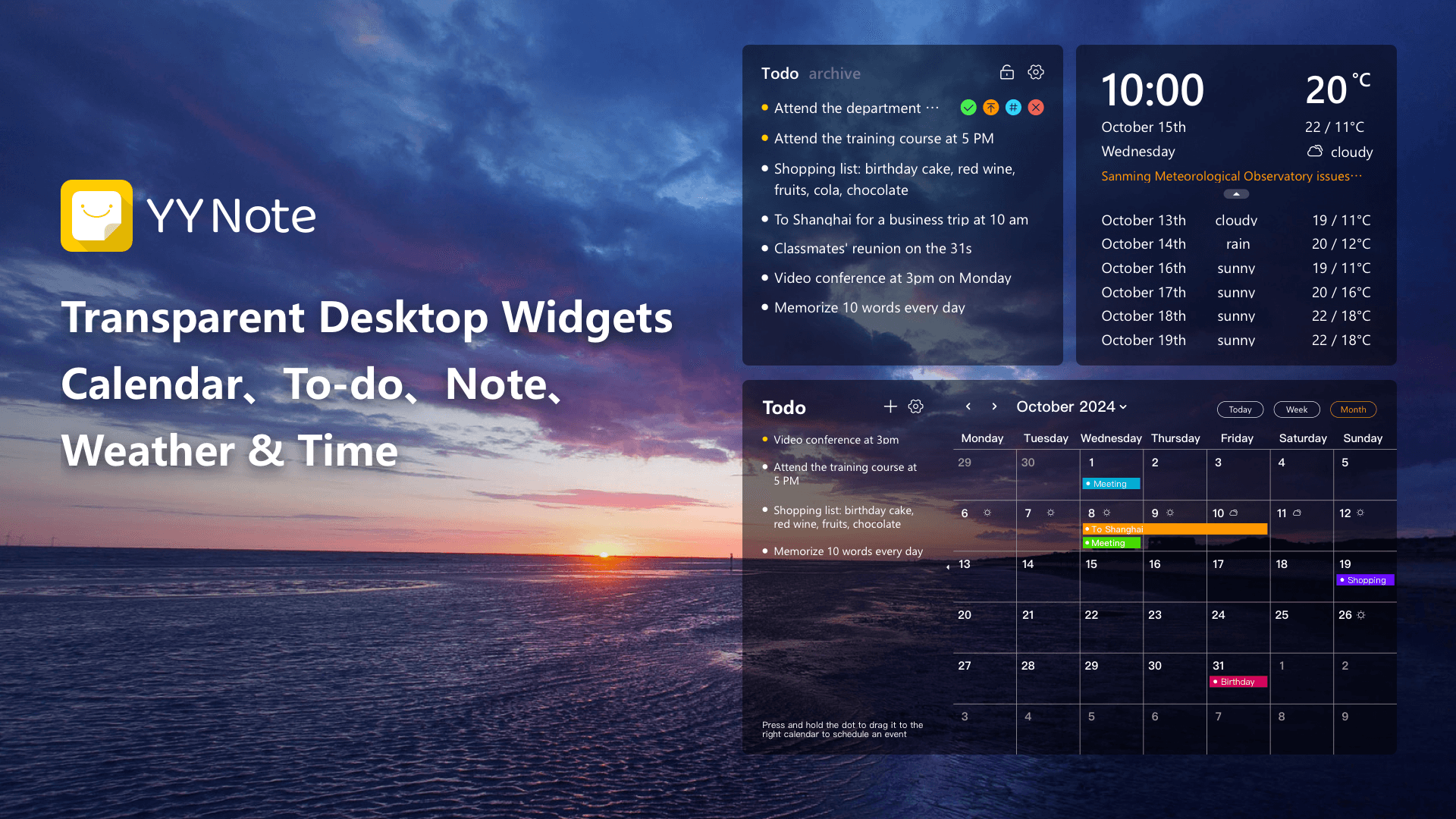
Have you ever switched back and forth between many software just to determine the time and details of to-do items? This week’s plans, meeting arrangements, and project deadlines are scattered on the calendar of your mobile phone, in computer software, and even on paper notes. If you don’t pay attention when you are busy, you may miss important things. Such a fragmented management method not only consumes energy, but also makes people more likely to fall into a state of anxiety.
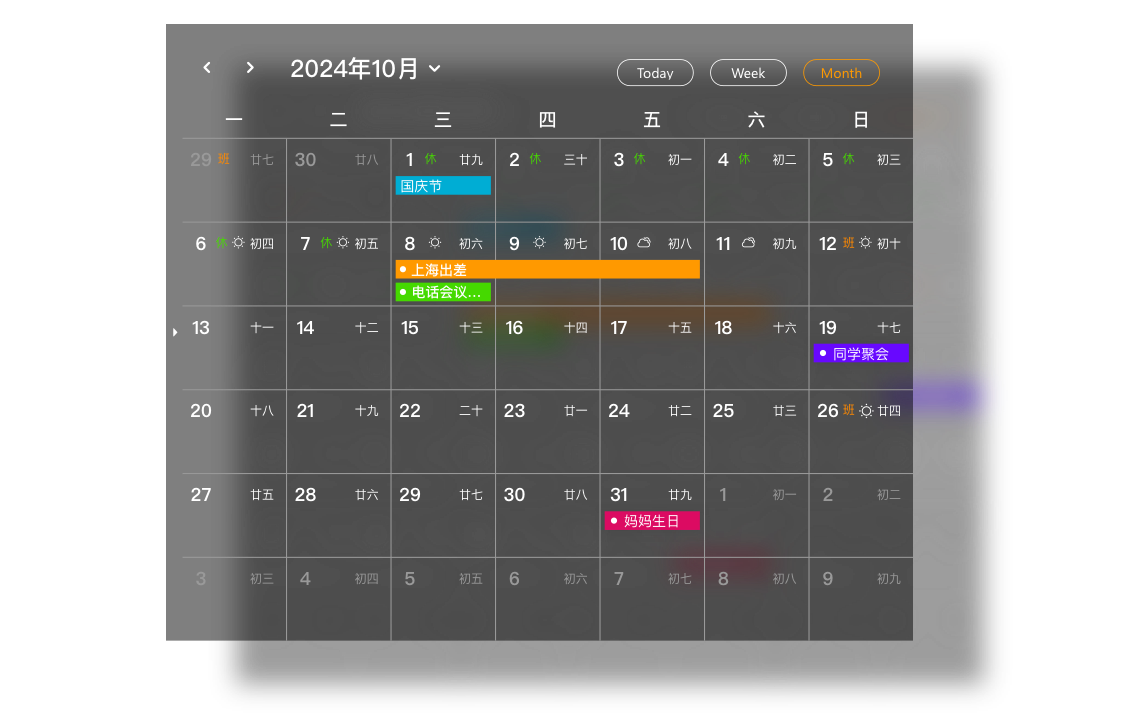
To solve this common problem, an efficient solution is to deeply integrate your calendar with to-do items. Imagine that there is a transparent billboard that is always suspended on the computer desktop. It can clearly show you the overall status of each day's schedule: the left side is an intuitive monthly calendar view, and the right side is the to-do details classified according to date. You don’t need to check and proofread again and again, after all, all tasks have been automatically mapped with time as an anchor. The meeting with clients next Tuesday, and the draft report to be submitted on Friday, all sit quietly in the corresponding date grid boxes, clearly and clearly placed there.
This kind of integration brings not only neatness at the view level, but also helps you transform from "passive reminder" to "active planning". You can easily drag a sudden inspiration to a certain free period in the future and turn it into a specific action plan. For repetitive tasks, For example, weekly team meetings or monthly reviews, you only need to set the rules once, and they will be automatically generated on time on periodic dates, completely relieving your memory burden. All arrangements can be synchronized through multiple terminals, seamlessly connected between mobile phones and computers, allowing you to control the overall situation anytime, anywhere.
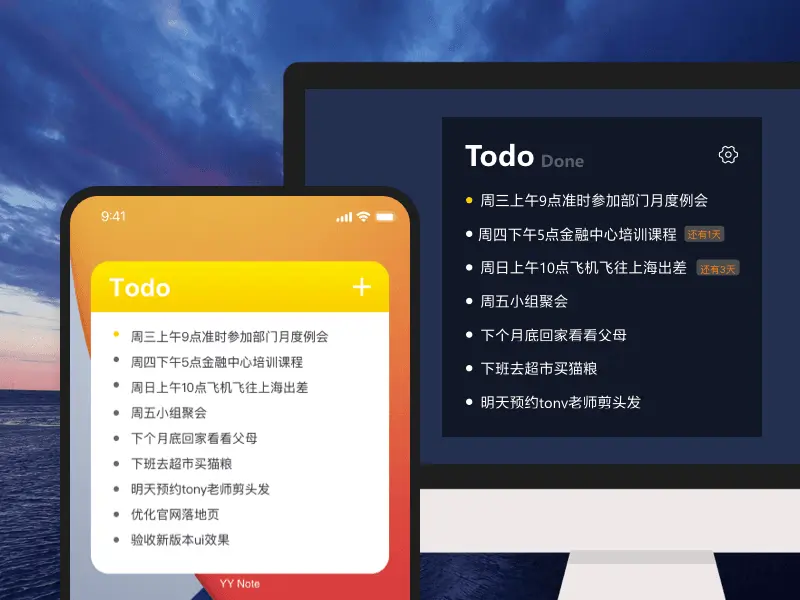
Say goodbye to the discrete tool room, where you are busy piecing together fragments of time. Treat the calendar as the skeleton of to-dos and use to-dos to enrich the flesh and blood of the calendar. What you will gain will be a clear, reliable and efficient time management system. The final calendar to-do this brings is a leisurely work pace, that is, you can clearly know what has been completed, what is being done, and what to do in the future. When you turn off your computer every day, the sense of security that you are in control is the best reward for an orderly life.
Download Now → Unlock Desktop Efficiency Center:

Microsoft Store

Google Play

App Store