
Have you ever had this experience: There is a key meeting next week, and you remind yourself that you must prepare relevant materials in advance. However, after working hard for several days, when you look up, you find that the meeting is this afternoon, and you only have two hours left. Or maybe you are planning to submit a report next month, but the days go by and the date seems to be invisible until the last few days.
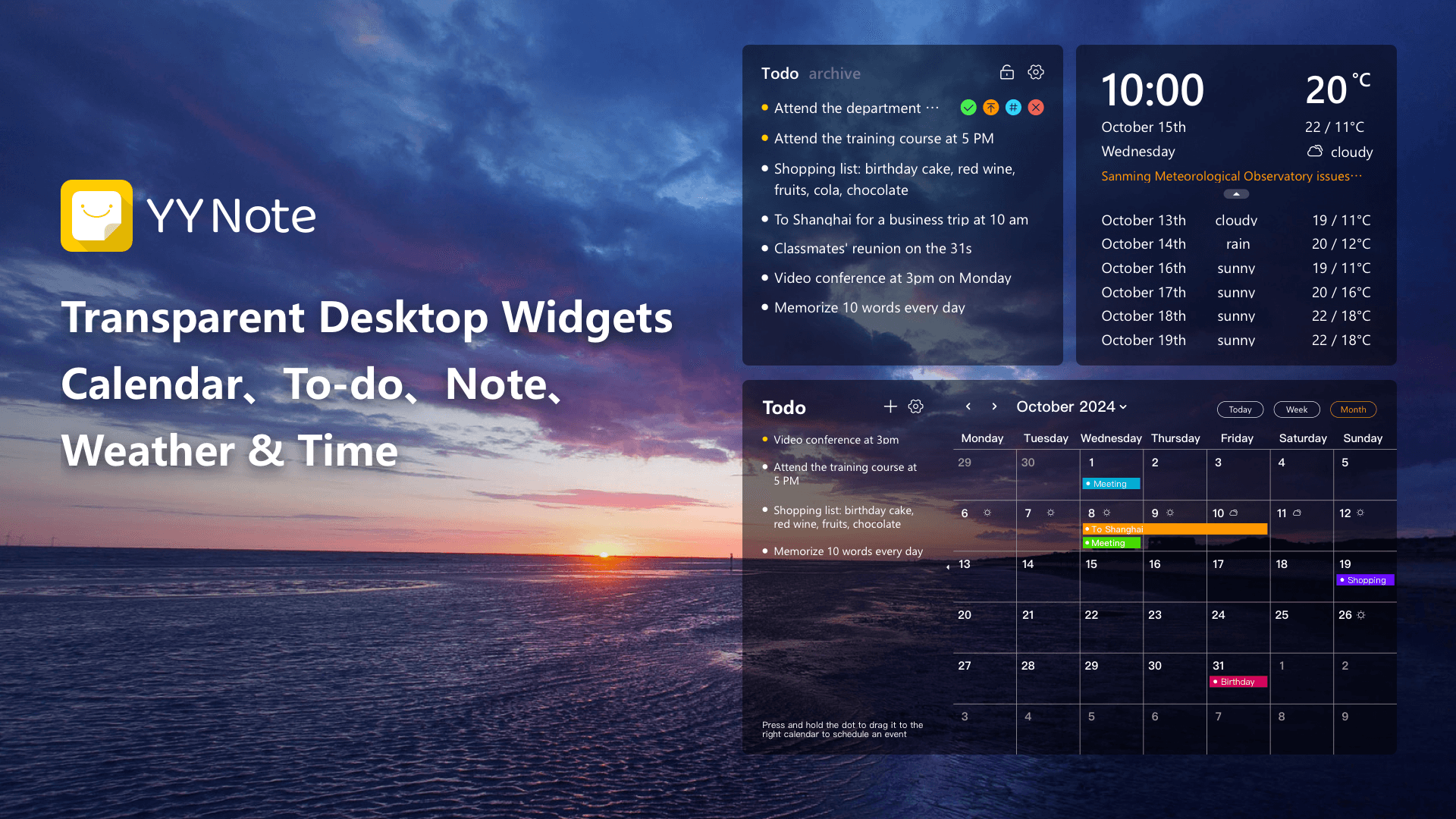
Many people in the workplace have a deep understanding of the tension and passivity caused by these "time blind spots". Our brain calendar is placed on the desktop and is not good at being a long-term "date steward". Those important schedules and key nodes can easily be overwhelmed in the daily busyness. You need a time sentinel that is always on and visible at a glance. And an intuitive one. Desktop calendar is the best solution to solve this pain point.
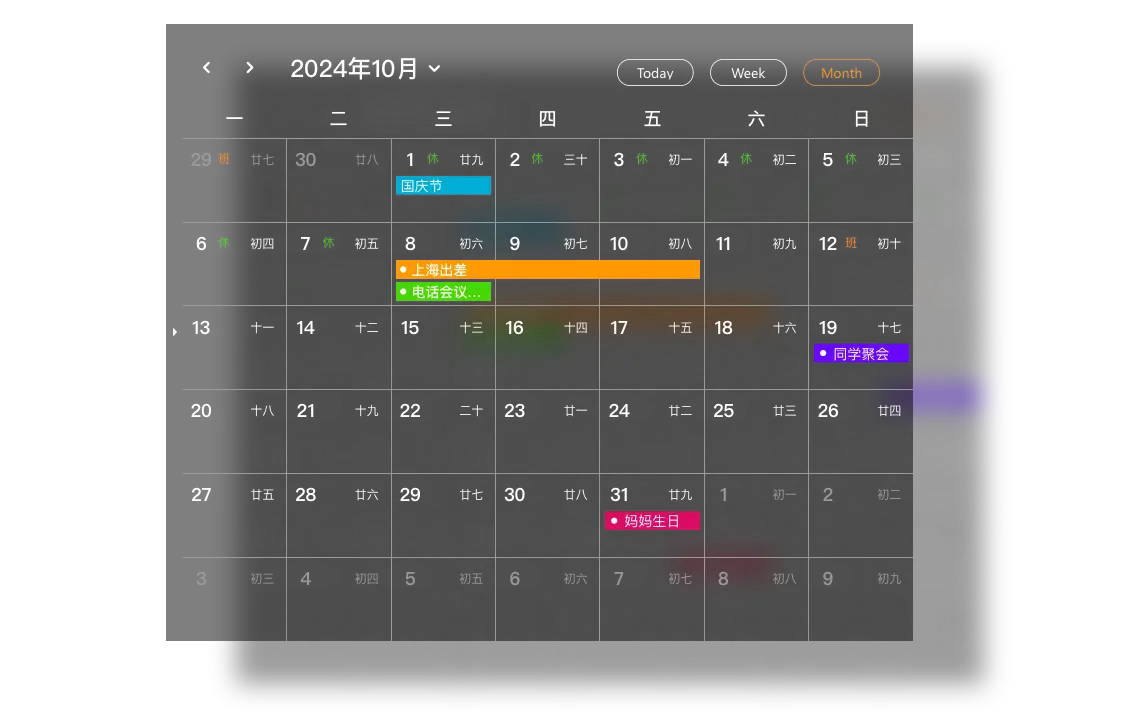
Just imagine, when you turn on your computer, a clear and beautiful monthly calendar view is quietly displayed on your desktop wallpaper. It does not just present the date, but has evolved into a scheduling and command center for your personal time management. The upcoming holidays, well-arranged meetings, and project deadlines are all intuitively marked on it to reflect it. Just like the recent situation where a sudden situation "kicked" the engineer while the robot was being tested, the unexpected event clearly reminded us that the program needs to be fully prepared. In the same way, every mark in your schedule is a "pre-simulation drill" action for an important moment before it arrives, so that you can avoid the possibility of being caught off guard and embarrassed.
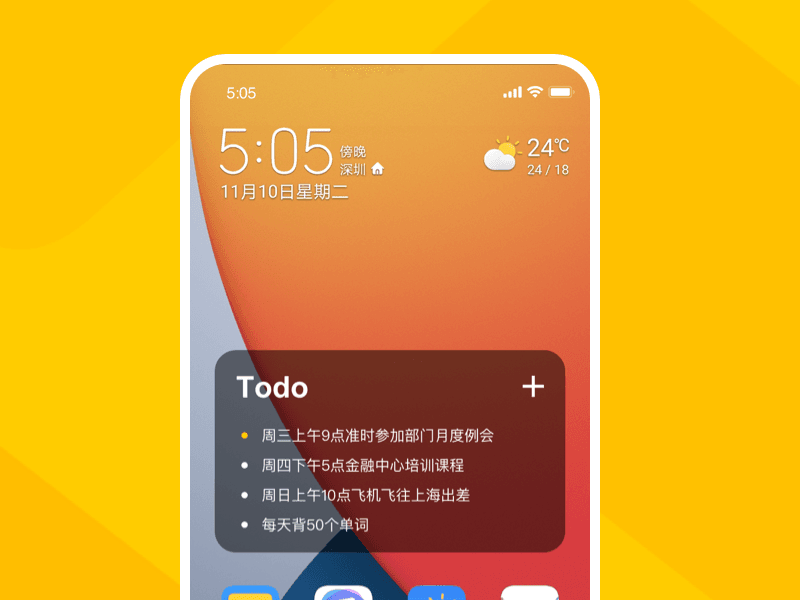
The value of this desktop calendar goes far beyond just “looking at the date”.
It's your big picture map. You no longer need to open another application. Just by taking a look, you can see the composition of the entire month and the layout of the entire week. You can easily drag and drop to-do items in the monthly view to quickly arrange execution dates for the tasks. Such a visual planning method allows you to sort out the sequence of your workflow at once and prevent conflicts between important matters in your mind.
It is your exclusive reminder officer. You can set important anniversaries, recurring weekly meetings, and project milestones as recurring schedules or add eye-catching marks. Before the start of each day, you only need to glance at the desktop to clearly understand the key points of the day and start work calmly instead of being interrupted by sudden pop-up reminders.
It can also serve as your information hub. This desktop calendar is excellent. It can integrate weather forecasts and holiday information, and can even synchronize your schedule on work platforms such as WeChat Enterprise and DingTalk. You don’t need to switch back and forth between different applications. All time-related information is gathered on this screen, and the efficiency is naturally doubled.
The amazing thing is that all of this happens in your "first visual layer". It is not as easy to ignore as a mobile phone notification, nor is it like a stand-alone software that has to be opened deliberately. It just sits there quietly, accompanying you every time you turn on your computer, and every time you look up from a document, subtly strengthening your sense of time and helping you build a sense of control over your work and life.
Saying goodbye to the forgetfulness and anxiety about dates is actually relatively simple. Start with a desktop calendar that's always with you so all the important moments are clearly displayed. From now on, you will no longer passively chase time, but will actively plan and control it, thereby enjoying a more orderly and leisurely pace of work and life. Immediately try to place the calendar on your desktop, and you will find that controlling time is so easy and efficient.
Download Now → Unlock Desktop Efficiency Center:

Microsoft Store

Google Play

App Store