
When you turn on your machine every day and face the messy browser bookmarks, sticky notes in the corner, and various pop-up reminders, do you often feel a sense of powerlessness? It seems that the task is completely difficult to sort out, things that have just been thought of are forgotten in the blink of an eye, and important days are always noticed after they have passed. Such confusion and forgetfulness are quietly consuming our concentration and efficiency, making work more and more burdensome.
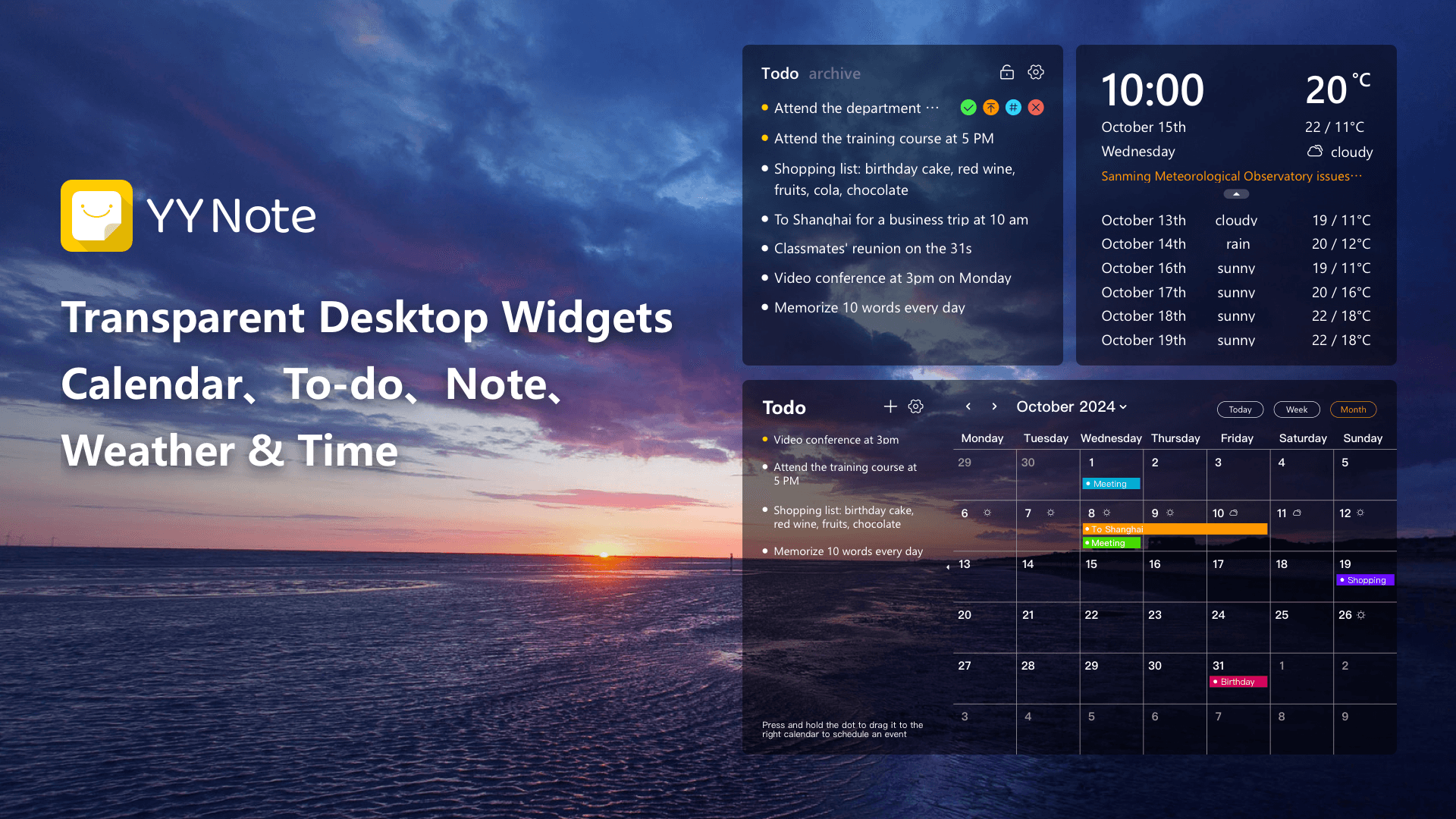
If you're also looking forward to a more relaxed and clearer work rhythm, then there is a well-designed one. The desktop to-do list is just the opposite. It does not have to be a large object with complicated functions. It may be the button you need. The simpler and more direct it is, the more it can be integrated into your workflow and help you control the most critical tasks with the minimum effort.
Imagine a desktop notepad reminder software. All to-do items are no longer scattered everywhere, but are neatly suspended on the computer desktop in the form of transparent plug-ins . When you turn on the device, you can see it the moment you turn it on, and you can understand everything at a glance. Whether it is a task stated as "Submit a report at three o'clock this afternoon" or a task as "make an appointment for a physical examination this Friday", all tasks are clearly displayed in front of you, eliminating the trouble of switching back and forth between many different applications to find them. Such a presentation method has the characteristics of "always present" and can effectively fight against forgetfulness, so that the focus of your work is always in the visual focus.
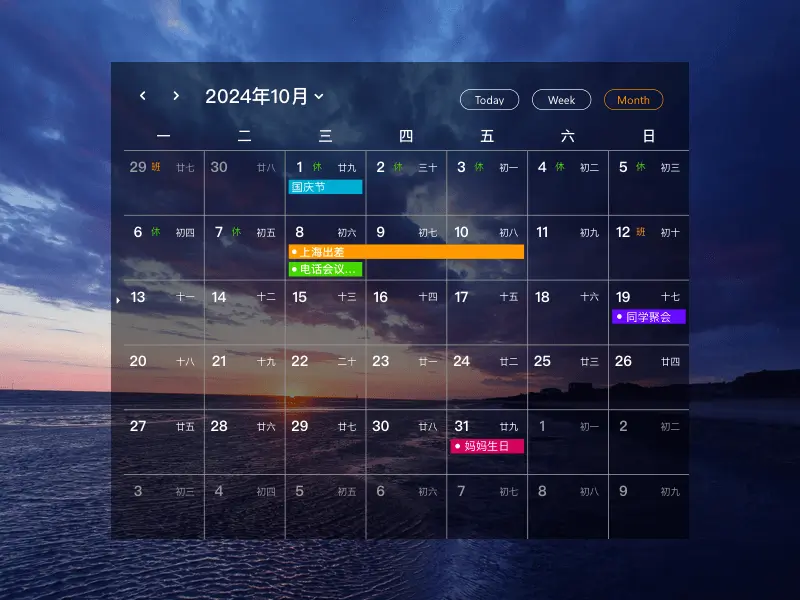
For more complex task management, a high-quality to-do tool should be able to "reduce complexity into simplicity." For example, you can create them for different projects or scenarios (such as "work", "personal", and "shopping"). You can use tags to quickly classify multiple independent lists . When you add a task related to "Project Review Meeting" in the "Work" list, it can be automatically labeled with the "Meeting" label. This flexible classification method will allow people to have an overview of the whole situation and quickly focus on specific types of matters, thus saying goodbye to that disorganized state.
In the process of dealing with daily tasks, some thoughtful designs can greatly improve your happiness. You can use simple ones. Drag and drop to adjust the order of tasks to place the most important things at the top. For important things, the one-click "pin to top" function can keep them in the most prominent position. What's more practical is. The date countdown has the function of setting a target day specifically for a task. For a specific day such as "Mom's birthday", once the setting is completed, the label "XX days left" will appear on the list. Such a gentle reminder is obviously more calm than suddenly realizing that an important day has been missed on the calendar.
In life, there are always some regular things, such as weekly team meetings, monthly bills to be paid, or family members’ lunar birthdays every year. A smart to-do tool should help you automate these repetitive tasks. Just set it up once. Flexible repetition rules can generate new to-do items for you on time, whether calculated based on weeks, months, or even lunar years. You no longer need to expend energy on remembering these cyclical tasks in the future. Just as we value health and the regularity of life, such as taking protective measures during high-influenza seasons, or knowing a healthy weight range that suits us, managing repetitive tasks is also an important basic link in promoting a smooth and efficient life.
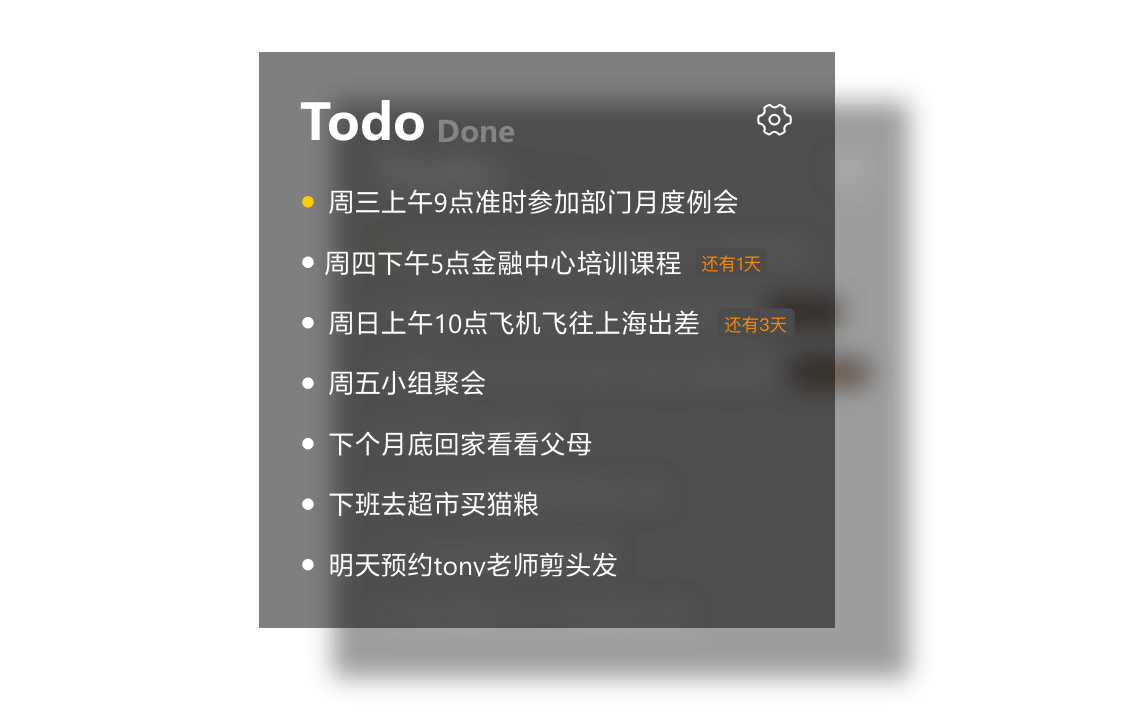
When you finish a task and check the box to complete it, it not only brings a full sense of accomplishment, but the system will also automatically set the task according to the completion date. Archiving is like a personal assistant that can work on its own, helping you keep the list interface tidy. At the same time, it keeps your work track intact for review and summary at any time.
In essence, the excellent efficiency tools advocated are not to fill every minute, but a so-called "minimum effort, maximum return" philosophy, which can help you liberate your mind from the chores of memory and organization, and devote yourself to all real thinking and creation. When you no longer have anxiety because of "forgetting something", and when your desktop is as orderly as your thoughts, the sense of control over the work and the subsequent relaxed experience are the real secrets to improving performance.
Now, encourage yourself to experience such a clear and calm working mode. Download and experience it for free immediately, turning your computer desktop into an efficient and calm smart work platform.
Download Now → Unlock Desktop Efficiency Center:

Microsoft Store

Google Play

App Store